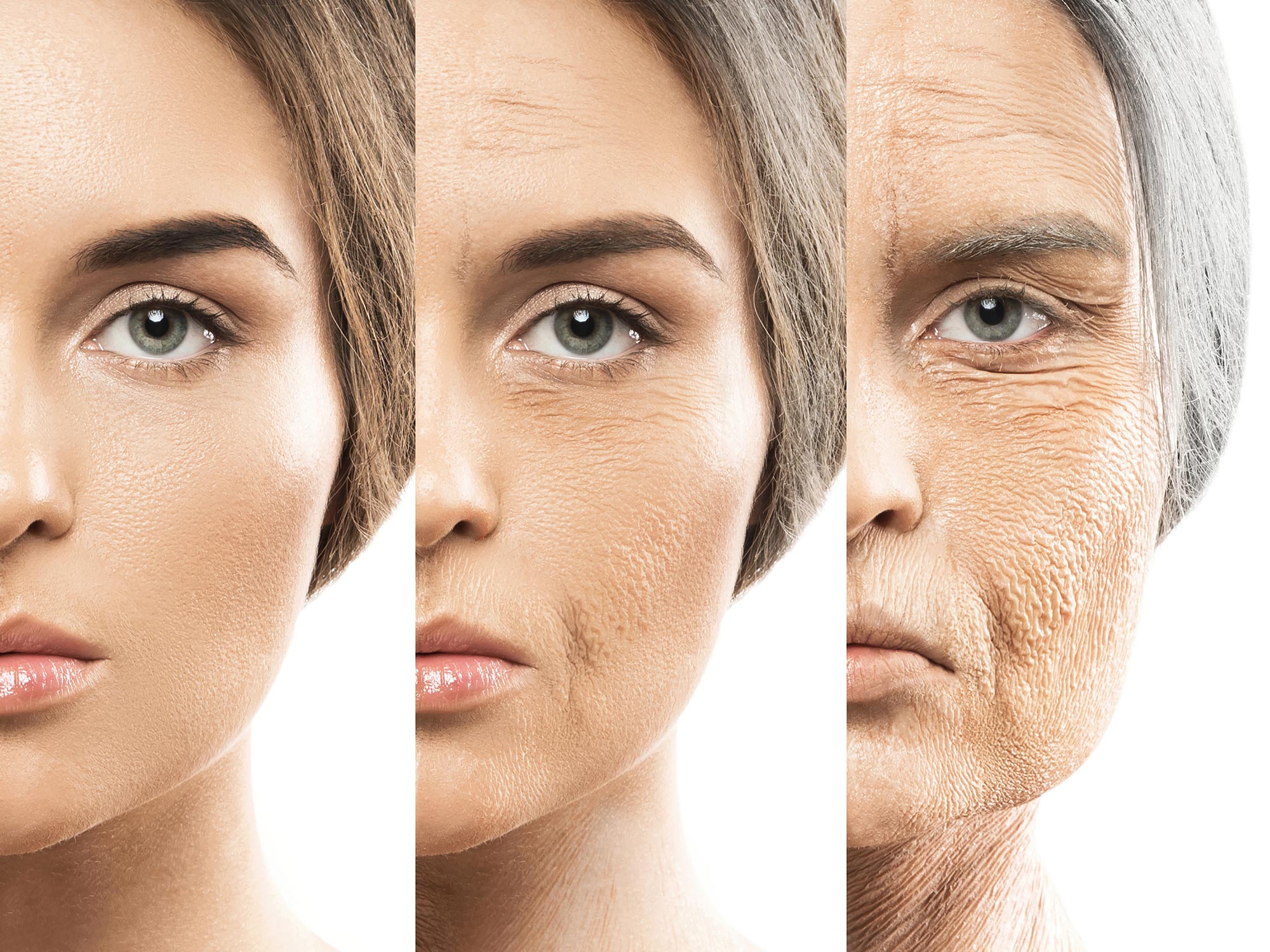
Ageing Is Not About Time. It’s About Organisation.
Ageing Is Not About Time. It’s About Organisation.
What exactly is ageing?
To answer that, let’s start with a different question.
What exactly is death?
When a person dies, the body is still there.
The bones are still there.
The muscles are still there.
The organs are still there.
Physically, all the material remains.
What is lost is the organisation of the organism.
Life is the ability to continuously organise trillions of cells into a coordinated system.
The moment that organisation can no longer be maintained, life ends.
Ageing follows the same principle.
It is not simply the passing of time.
It is the gradual decline in the body’s ability to organise itself.
Throughout life, we move through three stages.
Stage 1: Growth
During childhood and adolescence, the body builds faster than it breaks down.
New tissue is created faster than old tissue is lost.
Organisation increases.
Stage 2: Maintenance
Once growth is complete, the game changes.
The goal is no longer expansion.
The goal is maintenance.
For most adults, health is not about becoming more.
It is about preserving what already exists.
Stage 3: Decline
Eventually, breakdown begins to outpace repair.
The body’s ability to maintain organisation gradually decreases.
This is aging.
No one can stop this process completely.
But the rate matters.
The difference between an active 80-year-old and a fragile 80-year-old is often not age itself.
It is the quality of organisation that has been maintained over decades.
This is why structure matters.
At BAT, we view movement as an expression of organisation.
The goal is not simply to become stronger or more flexible.
The goal is to preserve structural organisation for as long as possible.
Better organisation allows better control.
Better control allows better movement.
Better movement preserves independence.
And the longer you preserve movement, the longer you preserve freedom.
The question is simple:
How much control over your body do you expect to have twenty years from now?


